


Content Coming Soon...
How Hip
Replacement Is Done
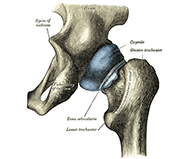
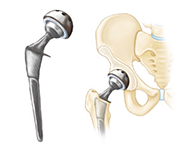
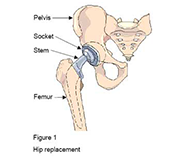
In total hip replacement surgery, the surgeon uses metal, ceramic, or plastic parts to replace the ball at the upper end of the thigh bone (femur) and resurfaces the hip socket in the pelvic bone. It replaces the damaged cartilage with new joint material in a step-by-step process.
Doctors may attach replacement joints to the bones with or without cement.
- Cemented joints are attached to the existing bone with cement, which acts as glue and attaches the artificial joint to the bone.
- Uncemented joints are attached using a porous coating that is designed to allow the bone to adhere to the artificial joint. Over time, new bone grows and fills up the openings in the porous coating, attaching the joint to the bone.
Doctors may use general or regional anaesthesia depending on the general health of the patient.
Why Hip
Replacement Is Done
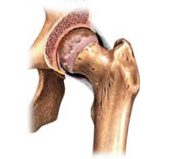
Doctors recommend hip replacement surgery when hip pain and loss of function become severe and when medicines and other treatments no longer offer any relief from the pain. Hip Replacement Surgery is recommended when:
- you have persistent hip pain that does not respond to other treatments and/or
- mobility in your joint becomes so restricted that day-to-day tasks such as walking are very difficult or impossible
Common causes of Hip pain include:
- Osteoarthritis
- Rheumatoid arthritis
- Hip fractures
- Bone Tumours
What to Expect
Before and After Surgery
Your doctor may recommend that you take antibiotics before and after the surgery to reduce the risk of infection. If you need any major dental work, your doctor may recommend that you have it done before the surgery. Infections can spread from other parts of the body, such as the mouth, to the artificial joint and cause a serious problem.
After the surgery, you will receive antibiotics for another day and pain killers and anticoagulant medication for a few weeks after the surgery.
You may also have a compression pump or compression stocking on your leg, which squeezes your leg to keep the blood circulating and to help prevent blood clots. And you may have a cushion between your legs to keep your new hip in the correct position.
Your may need to do simple breathing exercises to help prevent congestion in your lungs while your activity level is reduced. You may also learn to move your feet up and down to flex your muscles and keep your blood circulating. And you may begin to learn about how to keep your hip in the correct positions while you move in bed and get out of bed.
Recovery from
Hip Replacement Surgery
Usually, the patient needs a walker, a cane, or crutches for few days after the surgery. In general, most people get out of bed with help on the day of surgery or the next day. Our physiotherapist will teach you how to exercise, walk, and do activities such as dressing and cooking while you allow your hip to heal.
Monitor the surgery site and your general health, after you go home. For a while, you may need to sit only in high chairs (not on low seats that flex your hip more than 90 degrees), use a toilet seat raiser, and sleep on your back.
You will have an exercise program to follow when you go home. You should also take a short walk several times each day. If you notice any soreness, try a cold pack on your hip and perhaps decrease your activity a bit, but don't stop completely. Staying with your walking and exercise program will help speed your recovery.
Controlling your weight will help your new hip joint last longer. Stay active to help keep your strength, flexibility, and endurance. Your activities might include walking, swimming (after your wound is completely healed), dancing, golf (don't wear shoes with spikes, and do use a golf cart), and bicycling on a stationary bike or on level surfaces. More strenuous activities, such as jogging or tennis, are not advised after a hip replacement.
