


Content Coming Soon...
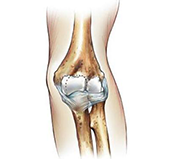
How Elbow
Replacement is Done
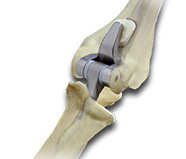
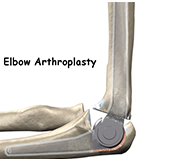
During the elbow replacement surgery, the surgeon removes damaged tissue and parts of the two arm bones, the humerus and the ulna meeting at the elbow joint. Once the tissue and the bone is removed, the elbow joint is replaced with an artificial joint called Prosthesis. The prosthesis consists of two implants that are attached to the insides of the ulna and the humerus. The Prosthesis is joined using a metal and plastic hinge. There are various types of implants available that fit joints of varying sizes. Elbow replacement is relatively uncommon but it is similar to hip and knee replacement.
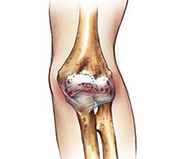
Why Elbow
Replacement Is Done
Earlier elbow replacement was carried out for patients whose joints had been severely damaged due to Rheumatoid Arthritis. They are still the most benefitted due to this surgery. In younger and more active people, early failure of the mechanism is much more likely; therefore, it is recommended for people older than 60 years of age.
Other reasons to get elbow replacement done include:
- Arthritis after injury (traumatic arthritis)
- Osteoarthritis
- Acute fractures in the upper or lower arm near the elbow
- Tumors or tumor resection
- Arthritis after previous surgery
What to Expect
Before and After Surgery
It is strongly recommended to discontinue smoking prior to the surgery. The patient also needs to address any infections and control any other medical problems that he may be suffering from.
The surgeon must be informed of all the existing health issues including allergies, use of prescription and non-prescription medications, alcohol consumption or taking any vitamins or other supplements or any other herbal or homeopathic medicine.
The surgery takes nearly two hours. It is performed under general or nerve block anesthesia. Once the surgeon implants the joint, the wound is closed with stitches and then covered with a bandage.
The arm is usually kept in a splint to keep it stable. Elbow replacement involves cutting skin, tendons, and bone, and so you will be given strong pain medications for one to two weeks after the surgery is done.
You should be prepared to be less functional than usual for six to 12 weeks after elbow replacement.
Recovery from
Elbow Replacement Surgery
Simple exercises and other types of physiotherapy will need to be done to increase the strength and mobility of your arm. Typical range-of-motion exercises include bending, straightening, palm down, and palm up exercises.
Elbow replacement usually reduces pain and improves elbow function during sleep and activities of daily living. If you take care of your elbow after surgery and avoid activities that can damage your elbow, you can expect to enjoy the benefits of the surgery for decades.
